
When it comes to designing interiors that look luxurious without compromising on sustainability or budget, one question comes up again and again: should you use solid wood or wood veneer? Both have their place in architecture and design, but understanding the differences can help you make the right choice for your next project.
At VENOX LLC, we work with veneer every day — and we believe in giving our clients an honest picture of what makes it such a smart choice for so many modern applications.
What’s the Difference?
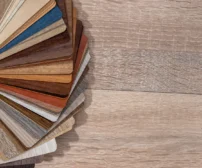
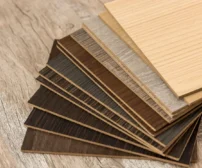
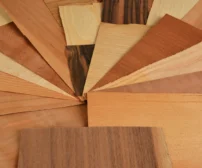
Solid wood is exactly what it sounds like — furniture or panels made from a single, solid piece of timber. Wood veneer, on the other hand, is a thin slice of natural wood bonded to a core material like MDF, plywood, or particleboard. The visible surface is 100% real wood; only the structure underneath differs.
This distinction is key to understanding why veneer has become the preferred choice for so many architects, designers, and contractors.
1. Sustainability
A single log can produce far more usable material as veneer than as solid wood. Because veneer sheets are sliced incredibly thin, one tree can cover significantly more surface area than if it were cut into solid boards. For projects with sustainability targets — or simply a desire to reduce environmental impact — veneer offers a responsible way to use rare or slow-growing wood species without depleting them as quickly.
2. Design Flexibility
Solid wood is limited by the size and shape of the timber it comes from. Veneer isn’t. Because it’s applied as a surface layer, veneer can be used on curved panels, large flat surfaces, and complex architectural features that solid wood simply can’t achieve. This makes it a favorite for statement walls, ceilings, and custom furniture pieces that need to combine natural beauty with structural creativity.
3. Stability and Performance
Solid wood expands and contracts with humidity and temperature changes, which can lead to warping, cracking, or gaps over time — especially in climates with significant seasonal shifts. Veneer, bonded to an engineered core, offers far greater dimensional stability. This makes it particularly well-suited to environments like the UAE, where indoor climates are carefully controlled but building materials still need to perform reliably over time.
4. Cost-Effectiveness Without Compromising Beauty
Rare and exotic wood species can be prohibitively expensive in solid form. Veneer allows designers to access the same rich grains, tones, and textures at a fraction of the cost — without compromising on the authentic, natural appearance clients expect. This means high-end aesthetics remain achievable even within tighter project budgets.
5. Consistency Across Large Projects
For commercial and hospitality projects that require matching finishes across multiple rooms, floors, or furniture pieces, veneer offers a level of consistency that’s difficult to achieve with solid wood, where natural variation between boards can create mismatched tones. Veneer sheets can be sequenced and matched to maintain a cohesive look across an entire space.
So, Which Should You Choose?
The truth is, it depends on the project. Solid wood still has its place — particularly in pieces where the wood’s edge or thickness is visible, or where a rustic, heavy character is the goal. But for most modern interiors — especially those balancing design ambition with sustainability and budget — veneer offers the smarter, more versatile solution.
How VENOX Can Help
At VENOX LLC, we specialize in premium veneer trading, pressing, and finishing — giving architects, designers, and contractors the flexibility to bring bold visions to life without compromising on quality or sustainability. From sourcing the right species to delivering a flawless finish, our team is here to guide you through every step.
Considering veneer for your next project? Reach out to our team for expert guidance and a consultation tailored to your vision.