
Wood veneer has become one of the most popular choices in modern interior design — and for good reason. It offers the natural beauty and warmth of solid wood, while being more sustainable, cost-effective, and versatile for a wide range of applications. But with so many species, grains, finishes, and pressing techniques available, choosing the right veneer for your project can feel overwhelming.
At VENOX LLC, we work with architects, designers, and contractors across the UAE every day to help them find the perfect veneer solution. Here’s what to consider before making your next selection.
1. Understand Your Application
The first step is identifying where the veneer will be used. Veneers behave differently depending on the setting:
- Residential interiors often call for warm, classic finishes — think natural wood grains that add comfort and elegance to living spaces.
- Commercial and hospitality projects typically need veneers that balance aesthetics with durability, since these spaces see heavier daily use.
- Furniture and cabinetry benefit from finer grain veneers that highlight craftsmanship and detail.
- Architectural features, like wall panels or ceilings, often use bolder, more dramatic grain patterns to make a statement.
Knowing your application early helps narrow down the right species and finish from the start.
2. Choose the Right Species and Grain
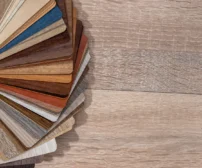
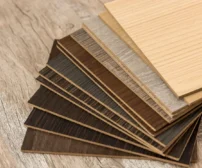
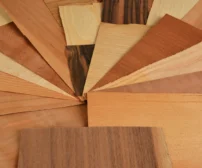
Every wood species carries its own character. Oak offers a strong, visible grain that works well in both traditional and modern spaces. Walnut brings rich, deep tones ideal for luxury interiors. Exotic veneers can introduce unique patterns and colors for spaces that need a distinctive, high-end look.
Beyond species, grain direction and pattern — straight grain, quarter-cut, crown-cut, or burl — all affect the final visual impact. If you’re unsure which combination suits your vision, our team can guide you through sample options tailored to your project.
3. Consider Pressing and Finishing Techniques
How a veneer is pressed and finished significantly affects both its appearance and performance. Veneer pressing offers an eco-friendly, cost-effective alternative to solid timber — allowing you to achieve the beauty of rare or exotic wood species without compromising structural integrity.
Finish sanding is equally important. A precise, uniform sanding process ensures the veneer’s natural character is fully highlighted, creating a flawless surface that’s ready for staining, sealing, or direct installation.
4. Prioritize Sustainability
Veneer is inherently more sustainable than solid wood, since a single log can be sliced into significantly more usable material. For projects with sustainability goals, choosing veneer over solid timber — combined with responsibly sourced materials — is one of the simplest ways to reduce environmental impact without sacrificing design quality.
5. Work with a Trusted Supplier
Perhaps the most important factor is who you’re sourcing from. A reliable supplier doesn’t just provide materials — they provide consistency, technical expertise, and support throughout your project. From selecting the right species to ensuring on-time delivery, the right partner makes all the difference between a smooth project and a stressful one.
Why Designers and Contractors Choose VENOX
At VENOX LLC, we combine premium veneer trading with in-house pressing, layon production, and finish sanding — giving you full control over quality at every stage. Our team works closely with clients to source the right materials, recommend the best techniques, and deliver on schedule, every time.
Whether you’re designing a boutique hotel lobby, a residential renovation, or a large-scale commercial fit-out, choosing the right veneer starts with the right partner.
Ready to start your next project? Get in touch with our team for a consultation, and let’s bring your vision to life — naturally elegant, and built to last.